Blog Math Practice Tests

A list of math question categories. Choose one and start solving.

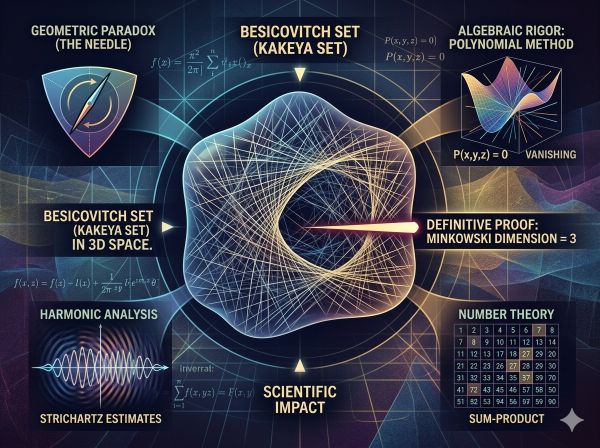
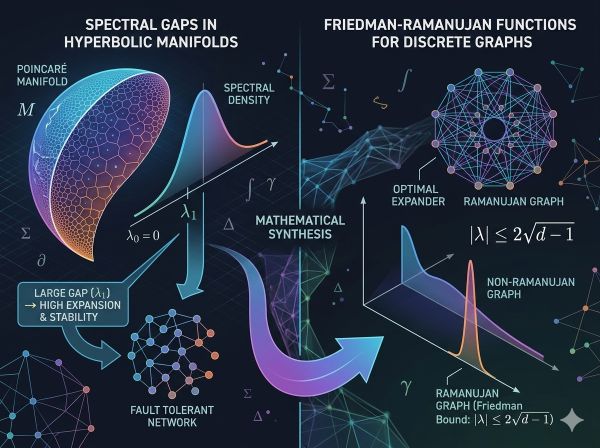
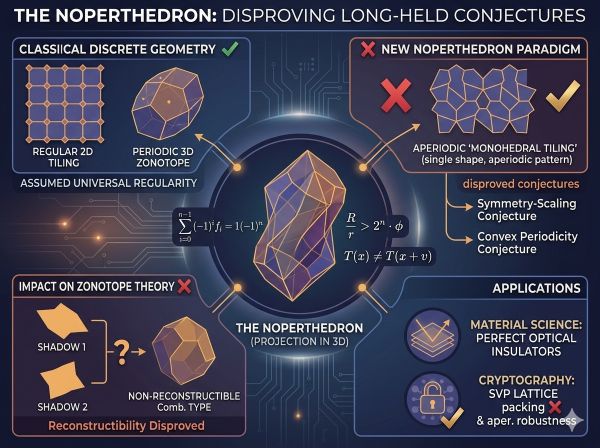
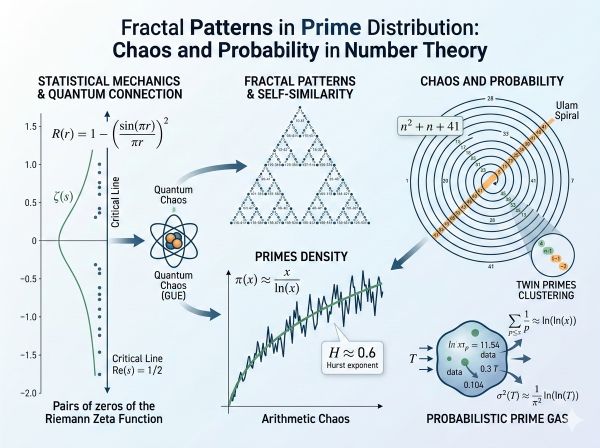
We write about mathematics being created right now. Our focus is on paradoxes that baffle supercomputers and hypotheses that change our understanding of space and logic.

How to Solve Math Word Problems: A Step-by-Step Method
Math word problems become easier when you stop searching for a hidden trick and start translating the situation one piece at a time. This guide shows how to identify the unknown, organize the information, build an equation, solve it, and check whether the answer makes sense in the original context.
12 Common Algebra Mistakes and How to Avoid Them
Most wrong algebra answers do not come from one difficult idea. They come from small errors with signs, parentheses, fractions, exponents, or the meaning of an equation. This guide explains twelve common mistakes, shows why they are wrong, and gives practical habits that make algebra work more accurate.
How to Read Math Graphs and Tables Without Making Mistakes
Reading a graph is not just looking for the highest point or following a line from left to right. Accurate interpretation requires checking the axes, units, scale, coordinates, intervals, and the meaning of each value. This guide explains how to read graphs and tables carefully and how to avoid the mistakes that lead to incorrect conclusions.
Essential Geometry Formulas for Math Tests
Geometry formulas are useful only when you know what each symbol means, which measurements are required, and what units the answer should use. This guide reviews the formulas that appear most often on high school, college-readiness, SAT, ACT, and general math tests, with worked examples and common error checks.
Probability vs Statistics: What Is the Difference?
Probability and statistics are closely connected, but they ask different questions. Probability starts with a model and predicts what may happen. Statistics starts with data and uses it to describe what happened or infer what is likely true about a larger population.
Arithmetic vs Geometric Sequences: Formulas and Examples
Arithmetic and geometric sequences both follow predictable patterns, but one changes by repeated addition while the other changes by repeated multiplication. This guide explains how to identify each type, find any term, calculate finite sums, recognize growth or decay, and avoid common formula mistakes.
Derivatives vs Integrals: A Beginner-Friendly Explanation
Derivatives measure how quickly something changes at a particular moment. Integrals measure how much change has accumulated over an interval. These two ideas may look like separate parts of calculus, but the Fundamental Theorem of Calculus shows that they are deeply connected.
Digital SAT Math Topics: What to Study and in What Order
Digital SAT Math is not a random collection of school topics. It is organized into four content domains, and some domains appear much more frequently than others. This guide explains what is tested, which skills should come first, how to use formulas and the built-in calculator efficiently, and how to turn practice results into a focused study plan.
SAT Math vs ACT Math: Which Test Is Better for You?
SAT Math and ACT Math test many of the same core skills, but they create different testing experiences. SAT Math gives more time per question, includes student-produced responses, and uses adaptive modules. ACT Math moves faster, remains multiple choice, and distributes questions across a broad set of high school math categories. The better test is the one that matches your pacing, problem-solving style, and strongest subjects.